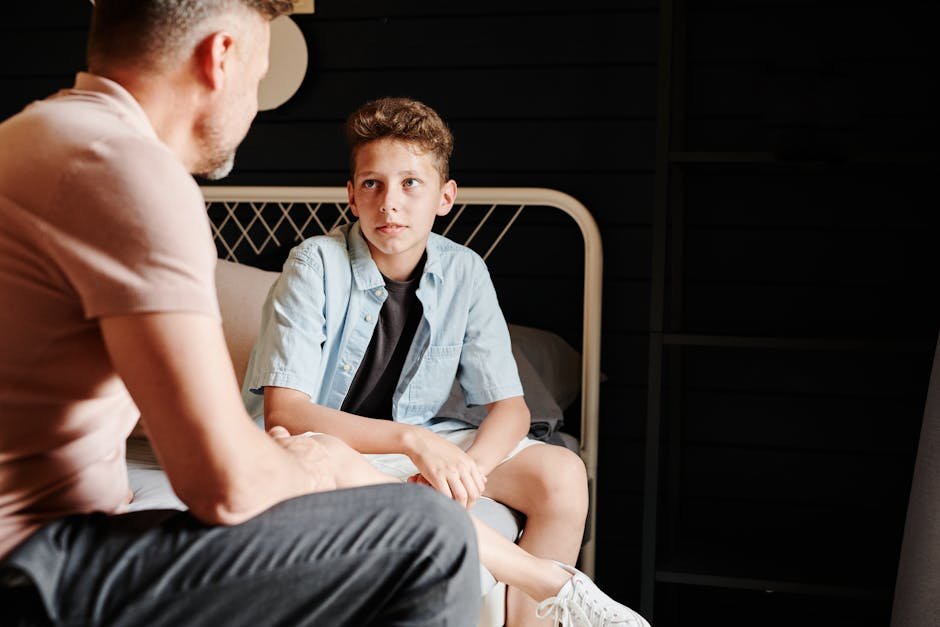
Talking About Tragedies: Guiding Kids Through Tough Times
Understanding the Impact: Why Children Need Guidance
Tragedies, whether natural disasters, acts of violence, or personal losses, ripple through society, impacting even the youngest members. Children process information differently than adults. Their understanding is shaped by their developmental stage, emotional maturity, and prior experiences. Shielding them entirely from news is often impossible and can lead to heightened anxiety fueled by misinformation or overheard conversations. Instead, a proactive, age-appropriate approach is crucial. Avoiding the topic altogether can breed fear and distrust, leaving children feeling isolated and unable to process their emotions healthily. Open, honest communication, tailored to their level of comprehension, provides a safe space for them to ask questions, express their feelings, and begin the healing process. Neglecting to address these events can result in long-term emotional and psychological distress, manifesting as behavioral problems, anxiety disorders, or difficulty forming healthy relationships. Therefore, providing guidance and support during these difficult times is an essential part of nurturing resilient and well-adjusted individuals.
Age-Specific Strategies: Tailoring Your Approach
The way you discuss tragedies with children should vary drastically depending on their age and developmental stage.
-
Preschoolers (Ages 3-5): Focus on safety and reassurance. Keep explanations simple and concrete. Avoid graphic details. Instead of discussing the specific event, emphasize the helpers: “The police and firefighters are working hard to keep everyone safe.” Use simple language and relatable scenarios. For example, “Sometimes, big storms make a mess, but grown-ups are working to clean it up and make things better.” Limit exposure to news coverage, as young children struggle to distinguish reality from fantasy. Monitor their play for signs of distress, such as repetitive reenactments of the event or increased clinginess. Provide extra comfort and physical affection.
-
Elementary School Children (Ages 6-11): They have a greater understanding of cause and effect but may struggle to process complex emotions. Encourage them to ask questions and answer them honestly, but avoid overwhelming them with information. Focus on the facts and avoid speculation. Validate their feelings, such as sadness, fear, or anger. “It’s okay to feel sad about what happened.” Discuss practical ways to help, such as writing letters to those affected or donating to a relief fund. This can empower them and provide a sense of control. Be mindful of their exposure to news and social media, as they may be exposed to misinformation or disturbing images. Discuss the importance of reliable sources and critical thinking.
-
Teenagers (Ages 12-18): They are capable of understanding complex issues and may have strong opinions and beliefs. Encourage open and honest discussions, allowing them to express their views and concerns. Provide accurate information from reliable sources and help them differentiate between facts and opinions. Acknowledge their grief and anger, and validate their feelings. Engage them in discussions about social justice, community action, and ways to make a positive impact. Be aware of their social media consumption and the potential for cyberbullying or the spread of misinformation. Discuss responsible online behavior and the importance of empathy. Recognize that teenagers may grieve differently than younger children, and provide them with privacy and space to process their emotions.
Creating a Safe and Supportive Environment:
Establishing a safe and supportive environment is paramount when discussing tragedies with children. This involves several key elements:
-
Listen Actively: Give children your undivided attention and listen attentively to their questions and concerns. Avoid interrupting or dismissing their feelings. Acknowledge their emotions and validate their perspectives.
-
Be Honest and Truthful: Answer their questions honestly and accurately, but avoid providing excessive details or graphic information. Tailor your responses to their age and understanding. If you don’t know the answer, it’s okay to say, “I don’t know, but I’ll try to find out.”
-
Provide Reassurance: Emphasize safety and security. Let them know that you are there to protect them and that they are not alone. Remind them of the people and resources available to help them.
-
Maintain Calmness: Children are highly attuned to their parents’ emotions. If you are feeling anxious or overwhelmed, take a moment to calm yourself before talking to your child. Speak in a calm and reassuring tone of voice.
-
Validate Feelings: Acknowledge and validate their emotions, whether they are sadness, fear, anger, or confusion. Let them know that it’s okay to feel the way they do. Avoid minimizing or dismissing their feelings.
-
Encourage Expression: Provide opportunities for children to express their feelings through talking, writing, drawing, or other creative outlets. This can help them process their emotions and make sense of the events.
-
Limit Exposure to Media: Excessive exposure to news coverage or social media can be overwhelming and traumatizing for children. Monitor their media consumption and ensure that they are not exposed to graphic or disturbing content.
Addressing Common Concerns and Fears:
Tragedies often trigger a range of concerns and fears in children. Addressing these concerns directly can help alleviate anxiety and promote healing.
-
Fear for Personal Safety: Reassure them that you are doing everything you can to keep them safe. Discuss safety plans and emergency procedures. Empower them with knowledge and skills to protect themselves.
-
Fear of Recurrence: Acknowledge the possibility of future events but emphasize that they are rare. Focus on the present and the things you can control.
-
Guilt and Self-Blame: Some children may feel guilty or blame themselves for the tragedy. Reassure them that they are not responsible and that it was not their fault.
-
Difficulty Sleeping: Tragedies can disrupt sleep patterns. Establish a consistent bedtime routine and create a relaxing environment. Avoid screen time before bed.
-
Changes in Behavior: Be alert to changes in behavior, such as increased irritability, withdrawal, or clinginess. Seek professional help if necessary.
-
Questions About Death: Be prepared to answer questions about death in an age-appropriate manner. Avoid euphemisms and be honest about the finality of death. Focus on the positive memories of the deceased.
Promoting Resilience and Healing:
Helping children develop resilience is crucial for navigating future challenges. This involves fostering a sense of hope, connection, and empowerment.
-
Focus on the Positive: Highlight the acts of kindness, compassion, and heroism that emerged in the wake of the tragedy.
-
Promote Gratitude: Encourage children to focus on the things they are grateful for in their lives.
-
Encourage Acts of Kindness: Engaging in acts of kindness and helping others can provide a sense of purpose and empowerment.
-
Maintain Routines: Maintaining familiar routines and structures can provide a sense of stability and normalcy.
-
Seek Professional Help: If a child is struggling to cope with the tragedy, don’t hesitate to seek professional help from a therapist or counselor.
-
Model Healthy Coping Mechanisms: Show children how to manage stress and emotions in a healthy way.
Long-Term Support: Continuing the Conversation
Talking about tragedies isn’t a one-time event. It’s an ongoing conversation that requires patience, understanding, and sensitivity. Continue to check in with your children and provide them with opportunities to express their feelings. Be prepared to revisit the topic as they mature and their understanding evolves. Remember that healing takes time, and there will be ups and downs along the way. By providing consistent support and guidance, you can help children navigate these challenging times and emerge stronger and more resilient. Encourage them to connect with their community and participate in activities that promote healing and hope. By fostering a culture of empathy, compassion, and resilience, we can help children build a brighter future. Finally, be a role model for them by taking care of your own mental and emotional well-being.