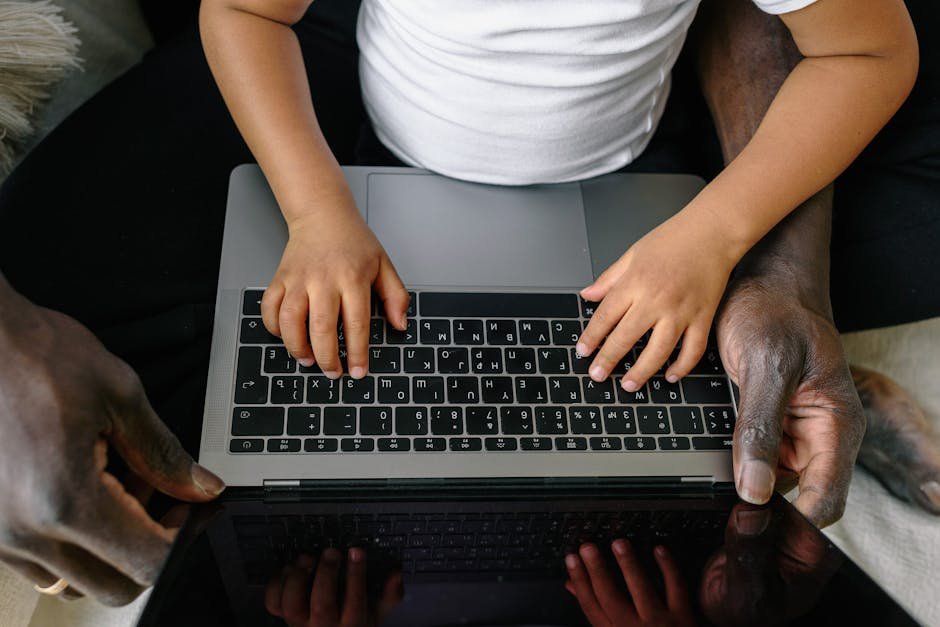
Digital Responsibility: Teaching Kids Online Etiquette
Navigating the Digital Landscape: Why Online Etiquette Matters
The internet is no longer a novelty; it’s an integral part of modern life. For children growing up in the digital age, understanding how to interact responsibly online is just as crucial as learning to read and write. Digital responsibility encompasses a set of ethical guidelines and practical skills that enable individuals to navigate the online world safely, respectfully, and constructively. Without a solid foundation in online etiquette, children are susceptible to both perpetrating and experiencing negative online behaviors, potentially leading to long-term consequences. We delve into specific aspects of teaching online etiquette, offering parents, educators, and caregivers practical strategies for fostering digital responsibility in young people.
Building a Foundation of Respectful Communication
The cornerstone of good online etiquette is respectful communication. Unlike face-to-face interactions, online communication often lacks the nonverbal cues that help us interpret meaning and intent. This can easily lead to misunderstandings and misinterpretations. Teaching children to consider their tone, language, and word choice is paramount.
- Emphasize Empathy: Encourage children to consider how their words might affect others. Ask them to imagine being on the receiving end of their message. “How would you feel if someone said that to you?” is a powerful question.
- Think Before You Type: Before posting or sending a message, encourage kids to pause and reflect. Is it kind? Is it necessary? Is it true? This simple exercise can prevent impulsive reactions and potentially hurtful statements.
- Avoid Cyberbullying: Explain what cyberbullying is, emphasizing that it’s not just physical bullying occurring online. Spreading rumors, posting embarrassing photos or videos, and sending threatening messages are all forms of cyberbullying. Empower kids to report instances of cyberbullying they witness or experience.
- Use Proper Grammar and Spelling: While online communication can be informal, encourage children to use proper grammar and spelling. This demonstrates respect for the recipient and helps ensure clarity.
- Respect Privacy: Teach children to respect the privacy of others. Sharing private information, photos, or videos without permission is a serious breach of trust.
Protecting Personal Information and Online Identity
Protecting personal information is a critical aspect of digital responsibility. Children need to understand the potential risks of sharing too much information online and learn how to safeguard their online identity.
- Limit Sharing Personal Details: Explain that personal information, such as their full name, address, phone number, school name, and birthday, should never be shared publicly online. This information can be used for identity theft, stalking, or other malicious purposes.
- Create Strong Passwords: Teach children how to create strong, unique passwords that are difficult to guess. Emphasize the importance of keeping passwords private and not sharing them with anyone, except for trusted adults.
- Be Wary of Phishing Scams: Explain what phishing scams are and how to recognize them. Teach children to be cautious of emails or messages that ask for personal information or direct them to suspicious websites.
- Understand Privacy Settings: Familiarize children with the privacy settings on social media platforms and other online services. Help them adjust these settings to limit the amount of information they share publicly.
- Monitor Online Activity: While respecting their privacy, monitor your child’s online activity to ensure they are not sharing too much personal information or engaging in risky behavior. Use parental control software to block inappropriate websites and track their online activity.
Navigating Social Media Responsibly
Social media platforms are a significant part of many children’s online lives. Teaching them how to navigate these platforms responsibly is essential for their safety and well-being.
- Be Mindful of What You Post: Encourage children to think carefully about what they post on social media. Remind them that anything they post online can be seen by a large audience and can potentially stay online forever.
- Avoid Oversharing: Teach children to avoid oversharing personal information on social media. Details about their daily routines, vacation plans, or current location can be used by predators.
- Be Respectful in Interactions: Emphasize the importance of treating others with respect on social media. Discourage cyberbullying, spreading rumors, and engaging in online arguments.
- Critically Evaluate Information: Teach children to critically evaluate the information they encounter on social media. Help them distinguish between reliable sources and fake news.
- Be Aware of Online Influences: Discuss the potential influence of social media on self-esteem and body image. Encourage children to be critical of unrealistic portrayals and to focus on their own strengths and accomplishments.
Understanding Copyright and Intellectual Property
Respecting copyright and intellectual property is an important aspect of digital responsibility. Children need to understand that content created by others is protected by copyright and cannot be used without permission.
- Explain Copyright Laws: Explain what copyright is and how it protects the rights of creators. Teach children that copying, distributing, or using copyrighted material without permission is illegal.
- Cite Sources Properly: When using information from online sources, teach children how to cite their sources properly. This demonstrates respect for the original author and avoids plagiarism.
- Use Creative Commons Licenses: Introduce children to Creative Commons licenses, which allow creators to share their work with certain permissions. Teach them how to find and use content that is licensed under Creative Commons.
- Respect Trademarks: Explain what trademarks are and how they protect brand names and logos. Teach children to avoid using trademarks without permission.
- Understand Fair Use: Discuss the concept of fair use, which allows for the limited use of copyrighted material for purposes such as criticism, commentary, news reporting, teaching, scholarship, and research.
Recognizing and Avoiding Online Dangers
The internet can be a dangerous place for children if they are not aware of the potential risks. Teaching them how to recognize and avoid online dangers is crucial for their safety.
- Stranger Danger Online: Reinforce the concept of stranger danger, emphasizing that it applies online as well as in the real world. Teach children never to meet in person with someone they have only met online without the supervision of a trusted adult.
- Be Wary of Suspicious Links and Downloads: Explain that clicking on suspicious links or downloading files from untrusted sources can expose their computer or device to viruses, malware, or other harmful software.
- Recognize Online Scams: Teach children how to recognize online scams, such as fake giveaways, pyramid schemes, and requests for money.
- Be Aware of Online Predators: Discuss the tactics that online predators use to groom and exploit children. Teach children to be wary of adults who try to befriend them online or ask them for personal information.
- Report Inappropriate Content: Empower children to report inappropriate content, such as cyberbullying, hate speech, and child sexual abuse material.
Fostering Digital Citizenship: A Continuous Process
Teaching online etiquette is not a one-time event but a continuous process. As technology evolves and children’s online experiences change, it’s essential to have ongoing conversations about digital responsibility.
- Lead by Example: Children learn by observing the behavior of adults. Model responsible online behavior by using proper etiquette, respecting privacy, and avoiding cyberbullying.
- Have Open and Honest Conversations: Create a safe and supportive environment where children feel comfortable discussing their online experiences and concerns.
- Stay Informed: Keep up to date on the latest online trends, risks, and safety resources. This will enable you to provide your children with relevant and accurate information.
- Utilize Educational Resources: Take advantage of the many educational resources available to help teach children about digital responsibility, including online games, videos, and lesson plans.
- Collaborate with Schools and Other Organizations: Partner with schools and other organizations to reinforce the message of digital responsibility. Work together to create a consistent and comprehensive approach to online safety.
By actively engaging in these strategies, parents and educators can empower children to navigate the digital world safely, responsibly, and ethically, fostering a generation of responsible digital citizens.